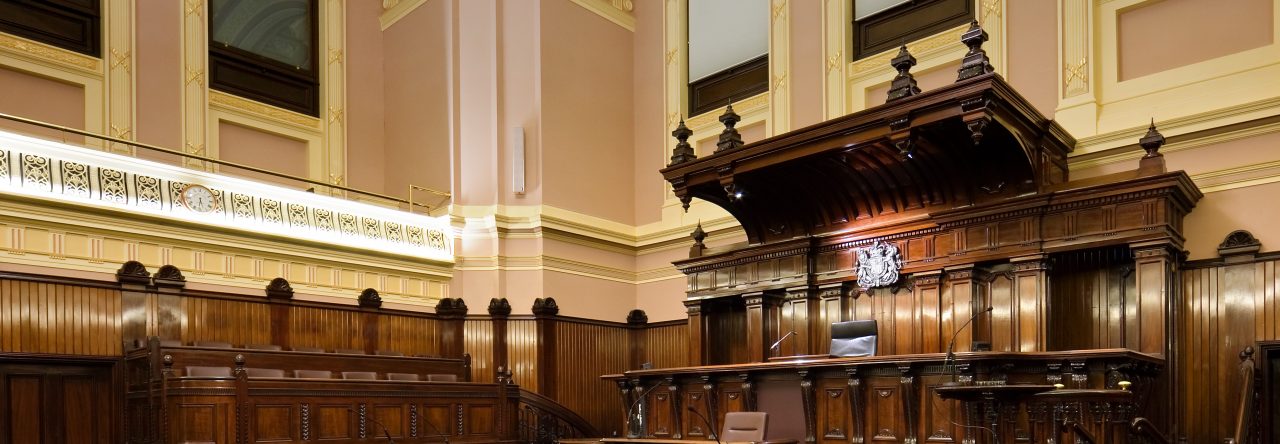
In May 2024 the Western Australian Supreme Court revised its practice and procedure (Practice Directions) in relation to expert evidence.
First mentioned in the notice to practitioners is the adoption of the Harmonised Expert Witness Code of Conduct, by which the WASC joins the Federal Court and the Supreme Courts of ACT, NSW, Tasmania, and Victoria.
At the same time as it harmonises, however, the Court has also found some new approaches. Two are noteworthy.
Scope, purpose and facts to be set out in writing
A party seeking leave to introduce expert evidence will be required to prepare a “minute,” setting out:
- The field of specialised knowledge of the proposed expert.
- the specific questions on which the proposed expert will be asked to opine.
- the assumptions that the expert will be asked to make for each question.
- the facts which are relevant to the expert opinion.
The other party will have the opportunity to express disagreement with those matters, in which case the court will adjudicate by directions hearing.
Comment: The PD requires specific questions and underlying assumptions to be formulated at a much earlier stage – a contrast to matters as New Aim Pty Ltd v Leung [2023] FCAFC 67 where the questions were not formulated until the day before the report was finalised. Those who prefer to know the answer before they ask a question may involve “shadow” (or “consulting” or “dirty”) experts more often.
Conclave or Conference?
Most of us would regard “expert conclave” and “expert conference’ as interchangeable terms to describe the standard meeting of experts which produces a joint report setting of details of any differences in the experts’ opinions.
In Western Australia however, conclave and conference will describe two different, if similar, processes.
A conclave is a conference facilitated by a Registrar of the Court. It will follow an agenda that will be agreed by the parties (or determined by the Court in a directions hearing) and includes strict confidentiality rules and communication protocols – which seemingly do not apply to conferences.
A conference is unfacilitated – or facilitated by someone other than a Registrar. It will address differences in the reports, rather than follow a specific agenda.
Comment: The Conclave process will be attractive for those seeking to focus on a tight range of issues or facing a situation with significant differences between the experts. Parties who seek a level of communication with the experts during the preparation of the Joint Report may prefer the conference pathway which is not subject to the strict confidentiality regime (noting that the conference process still maintains the requirement that experts “shall not act on any instruction or request to withhold or avoid agreement”).
 Banking Expert Witness.com.au